King Street Fulham man and van guide for narrow access moves
Posted on 14/07/2026

King Street Fulham Man and Van Guide for Narrow Access Moves
If you are planning a move on King Street in Fulham, you already know the awkward bit is rarely the packing. It is the access. Tight frontage, limited stopping space, busy pavements, basement stairs, awkward corners, and the usual London day-to-day chaos can turn a straightforward job into a careful puzzle. This King Street Fulham man and van guide for narrow access moves is here to make that puzzle less stressful and a lot more predictable.
Truth be told, narrow access moves are where good planning shows. The right van size, the right loading order, and a team that understands Fulham streets can save you time, protect your belongings, and spare your neighbours a lot of grumbling. Below, you will find a practical, no-nonsense guide to what works, what tends to go wrong, and how to prepare for a smooth move on a street where space is often at a premium.
Key takeaway: narrow access moves are not just about fitting a vehicle in; they are about reducing handling distance, protecting fragile items, and making sure every minute on the street is used well.
Why King Street Fulham Man and Van Guide for Narrow Access Moves Matters
King Street and the surrounding Fulham streets often reward careful movers and punish rushed ones. If the road is busy, the loading point is tight, or the property entrance sits behind railings, stairs, or a narrow hallway, the move becomes more about logistics than muscle. That is exactly where a man and van setup shines, provided it is planned properly.
The phrase "narrow access" covers a lot. It can mean a small front garden gate, a steep path, a basement flat with a low ceiling, a shared entrance with no lift, or simply a street where a larger removal lorry would block traffic and cause friction. The practical issue is not only whether a vehicle can stop nearby, but also how quickly items can be carried from door to van without damage or delay.
On streets like this, a move can unravel because of tiny details. A wardrobe that looked manageable in the hallway suddenly becomes awkward on a tight landing. A sofa that should have slid cleanly out the front door catches on a banister. A van parked two streets away adds extra handling and extra fatigue. It is a small chain reaction. Annoying, yes. Preventable, usually.
That is why local knowledge matters. The best movers do not just turn up and hope for the best. They assess approach routes, entry points, parking options, item size, and likely pinch points before the first box is lifted. For many households, especially flats and smaller homes, that approach is the difference between a calm morning and a long, sweaty afternoon.
You can also see how this sits within the wider Fulham moving picture. If you are settling into the area, pieces like the living advantages of Fulham and what locals say about Fulham living help explain why so many people choose the area despite the access quirks. Beautiful streets, good amenities, and character properties often come with narrower practical realities. That is just the trade-off, to be fair.
How King Street Fulham Man and Van Guide for Narrow Access Moves Works
A narrow access move usually works best when it is treated as a sequence, not a single event. First comes the survey or phone assessment. Then the access plan. Then the packing and staging. Finally, the loading itself, which should be quick, organised, and paced around the available space.
In practical terms, a man and van arrangement is ideal when the property contents are moderate rather than massive. Think studio flats, one-bedroom or two-bedroom homes, small office contents, student moves, partial removals, or bulky furniture that does not justify a full-scale lorry. The vehicle is typically easier to position on a compact street, and the crew can focus on efficient item handling rather than large-volume transfer.
Here is the usual flow:
- Access check: confirm road width, parking reality, building entry, stair count, lift availability, and any obstacles such as bollards or tight turns.
- Move planning: list the largest items first so the team knows what needs special care.
- Parking strategy: choose the nearest sensible stopping point, not just the nearest possible one.
- Protective prep: use blankets, covers, straps, and clear labelling for fragile or awkward items.
- Load sequencing: move the heaviest and least delicate items first, then stack with the route in mind.
- Final sweep: check cupboards, lofts, sheds, meters, and under beds before leaving.
That sequencing sounds basic, but it is where most of the savings are. If you have ever watched movers carry a heavy item back and forth because the van was not positioned well, you will know how quickly time disappears. The route matters. So does the order of loading. And, honestly, so does keeping everyone on the same page.
For readers comparing services, a useful starting point is the general man and van Fulham service and the more flexible man with van Fulham option. If you are moving something specific or delicate, furniture removals in Fulham may also be a better fit. Different jobs, different tools. Simple enough.
Key Benefits and Practical Advantages
The biggest advantage of a good narrow access man and van move is control. You are not relying on brute force or oversized equipment. You are using planning, flexibility, and proximity. That matters on King Street, where a small gain in parking position can shave serious time off the job.
- Shorter carry distances: fewer steps between door and van means less risk of knocks and fatigue.
- Lower disruption: smaller vehicles are often easier to place without causing unnecessary obstruction.
- Better for flats and maisonettes: where stairs, landings, and shared entrances can make movement awkward.
- Faster turnaround: ideal when access is tight but the volume is moderate.
- More precise handling: useful for fragile, heavy, or oddly shaped items.
- Better value for smaller loads: you are not paying for empty space you do not need.
There is also a psychological benefit, which sounds a bit soft until you are in the middle of move day. A compact, organised move feels manageable. A chaotic one feels endless. When the street is narrow and the clock is ticking, that feeling matters more than people expect.
If you are moving out of a flat, you may also want to compare this to dedicated flat removals in Fulham or broader removal services where the job is more complex. For larger homes, house removals in Fulham may be more appropriate. Picking the right scale is a big part of getting the job right.
Expert summary: Narrow access moves succeed when the vehicle, crew, and packing method are matched to the street, not the other way around.
Who This Is For and When It Makes Sense
This kind of move is not for everyone, and that is fine. It makes the most sense when the job is compact, time-sensitive, or physically awkward. If you are moving from a top-floor flat on a tight street, a man and van can be much more practical than booking a large removals team and hoping the access works out.
Typical users include:
- people moving between one Fulham flat and another
- students shifting a smaller load with awkward bags, boxes, and a desk
- tenants leaving a property with limited parking outside
- new homeowners moving select items before the full move
- people who need help with one or two bulky pieces
- small offices relocating furniture or equipment
It is also a good fit if you are moving around the local area and need to keep the whole process tight. A same-street or same-postcode move can look simple on paper, but if access is constrained, it still benefits from a crew that knows how to work efficiently. For shorter-notice jobs, same day removals in Fulham may be worth considering, although availability can vary.
Not every move should be squeezed into a man and van model, though. If you have a large family home, lots of dismantling, specialist items, or a long list of rooms to clear, then a fuller service may be more sensible. A good mover should say that plainly rather than trying to force the job into a smaller package. That honesty is usually a positive sign.
Step-by-Step Guidance
If you want the move to feel calm rather than scrappy, follow a structured process. It does not need to be fussy. Just clear.
1. Measure the awkward bits first
Measure the widest item, the narrowest doorway, the stair turns, and any corridor bends. Do not trust your memory on this one. It is easy to think a wardrobe will "probably" fit, right up until it does not. If in doubt, measure again. A few extra minutes can spare a lot of drama.
2. Check where the van can actually stop
On narrow streets, the best parking space is not always obvious. Consider whether the vehicle can wait close enough to keep carry distances short, whether there are restrictions at your planned time, and whether there is room to load without blocking driveways or entrances.
3. Sort the load by difficulty
Put the tricky items in a separate list: mirrors, tall units, glass tables, boxed electronics, pianos, and anything heavy but awkward. If a piece needs a second pair of hands or specific handling, make that clear before move day. For specialist items, piano removals in Fulham are a better example of the kind of extra care that can be needed.
4. Pack for the route, not just the box
It is not enough for a box to be full. It needs to survive being carried down stairs, turned through a doorway, and placed in a van that may already be partly loaded. Fragile items should be packed so they can tolerate a bit of jostling. Not excessive, of course. But realistic.
5. Clear access before the crew arrives
Move bicycles, bins, loose rugs, plants, and anything else likely to snag the route. If the hallway is cluttered, the first 10 minutes can disappear instantly. Clearing that path is one of the easiest wins in the whole process.
6. Keep the first-load items ready
Make a small pile of the things you want in the van first. Usually that means the heavier, sturdier, or most awkward objects. Having a first-load zone prevents the team from wandering around wondering what should go where. Small thing, big difference.
7. Do a final room-to-room check
Before the van leaves, check every cupboard, shelf, balcony, meter cupboard, and hidden corner. People forget things in the most ordinary places. Keys in a drawer. Chargers behind a sofa. A bottle opener in the kitchen. You know the sort of thing.
Expert Tips for Better Results
Good access moves are rarely about one heroic move. They are about 15 small sensible ones. Here are the bits that make the biggest practical difference.
- Book earlier in the day if possible. Streets are usually calmer before the day gets noisy.
- Be realistic about van size. Bigger is not always better on a tight Fulham street.
- Disassemble where sensible. A flat-pack bed frame can save an entire headache.
- Use proper labels. "Kitchen fragile" is more useful than "miscellaneous."
- Leave a walking lane inside the property. It helps the crew move without bumping walls and corners.
- Keep children and pets away from the load path. It is safer and calmer for everyone.
- Have a backup plan for parking. If the first spot is taken, know the next best option.
One small insider tip: photograph awkward items before they are moved. If you are dealing with pre-existing marks or a delicate finish, those pictures can be handy later. It is not about being suspicious; it is about being tidy and fair. A bit dull, maybe. Very useful though.
If you are comparing providers, you may want to read more about removal companies in Fulham and how they approach access-heavy jobs. That can help you judge whether you need a simple carry-and-load service or something more structured. You may also find the general services overview useful when weighing up options.

Common Mistakes to Avoid
Most narrow access problems are avoidable. The trouble is they are easy to underestimate when you are staring at a busy moving schedule and just want the job done.
- Guessing the access: "It should be fine" is not a plan.
- Ignoring large items until the end: that is how bottlenecks happen.
- Leaving packing too late: rushed boxes are usually weak boxes.
- Forgetting stair turns and low ceilings: the door may be fine, the bend may not.
- Choosing the wrong vehicle: a van that is too large can be harder, not easier.
- Not warning about special items: the crew needs to know in advance.
- Parking "somewhere nearby" without checking the route: nearby is doing a lot of work there.
The sneaky mistake is assuming that access only matters at the door. In reality, it begins from the approach. A van can be the perfect size and still waste time if it has to wait in the wrong place or reverse awkwardly down a narrow road. That can rattle confidence fast.
If you are moving fragile or hard-to-handle items, it is sensible to review insurance and safety details before the move. And if you are packing yourself, packing and boxes in Fulham is another useful area to get right before move day arrives.
Tools, Resources and Recommendations
You do not need a van full of gadgets to manage a narrow access move well. But a few practical tools help a lot.
| Tool or resource | Why it helps | Best use |
|---|---|---|
| Measuring tape | Confirms whether furniture, doors, and turns are workable | Before booking and before dismantling |
| Furniture blankets | Protects finishes from knocks and scrapes | Large items, wooden surfaces, tight hallways |
| Ratchet straps | Keeps items steady in the van | Heavy loads and mixed-height stacking |
| Labels and marker pens | Makes room placement and fragile handling clearer | All boxed items |
| Trolley or sack truck | Reduces lifting on short carry distances | Boxes, appliances, compact furniture |
| Basic dismantling tools | Helps reduce item size for tight routes | Beds, shelving, modular furniture |
As for service choices, the following can be relevant depending on your move type: man with a van Fulham for compact moves, removal van Fulham when you need a slightly more formal setup, and storage in Fulham if your move has a gap between departure and delivery. If you are between properties, storage can take the pressure off. It is not glamorous, but it is practical.
For households that want a broader look at the moving process, removals in Fulham and removal services can help you compare full and partial assistance. That comparison alone can save a lot of second-guessing.
Law, Compliance, Standards and Best Practice
Moves on narrow streets are not just about convenience. There are basic legal and practical duties to think about, especially around parking, obstruction, lifting safety, and responsible handling of goods. You do not need to become a transport lawyer overnight, thankfully, but you should expect any professional mover to behave sensibly and lawfully.
In plain English, best practice usually includes:
- parking only where permitted and safe to do so
- avoiding unnecessary obstruction to pedestrians, neighbours, or traffic
- taking care with manual handling to reduce injury risk
- using suitable equipment for heavy or fragile items
- communicating clearly about access issues before the job starts
- following reasonable health and safety procedures during lifting and loading
That last point matters. A narrow access move often involves repeated lifting, stairs, and tight turns, which increases the need for good handling technique. If a team is throwing items around because space is limited, that is a red flag. Calm method beats haste every time.
Professional standards also matter. If a mover offers clear terms, explains what is included, and is upfront about limits, that is a good sign of a structured service. It is sensible to review pages such as terms and conditions, payment and security, and health and safety policy before booking. You do not need a legal degree. Just enough clarity to know where you stand.
Options, Methods, or Comparison Table
If you are unsure which route to choose, this quick comparison helps. The right option depends on volume, access, and how much help you want on the day.
| Option | Best for | Strengths | Limitations |
|---|---|---|---|
| Man and van | Smaller domestic moves, tight streets, a few bulky items | Flexible, efficient, easier on narrow access | Less suitable for very large households |
| Man with a van | Quick local jobs and light-to-moderate loads | Simple, often cost-effective, compact vehicle handling | May not suit more complex dismantling or packing needs |
| Full removals team | Larger homes or more complex moves | More manpower, broader support, more structured handling | Can be unnecessary for a small, tight-access job |
| Storage plus move | Delayed move-ins or staged relocations | Useful when timing is messy or access windows are short | Requires extra coordination |
If your move is in Fulham but not especially large, a compact service is often the sweet spot. If you are trying to do too much with too little help, that tends to show quickly on a narrow street. Sometimes the simplest option is the smartest one.
Case Study or Real-World Example
Here is a realistic scenario, based on the sort of thing that happens a lot around King Street and nearby roads.
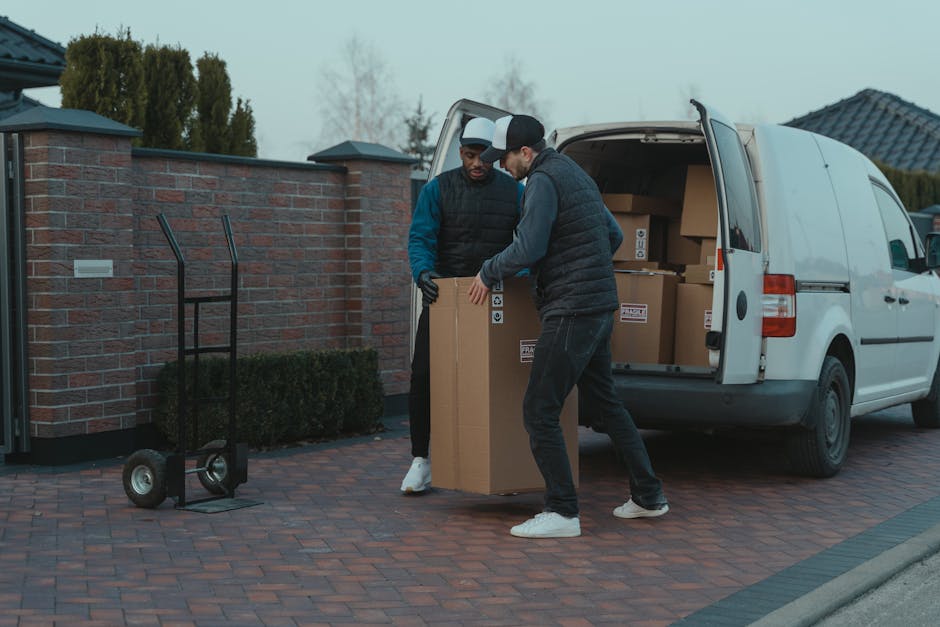
A couple moving from a second-floor flat had a sofa, a bed, six medium boxes, two bikes, a dining table, and a handful of kitchen items. The property entrance was tight, the stairwell turned sharply halfway down, and there was no easy place for a large vehicle to wait. They nearly booked a bigger lorry, thinking it would be "more efficient." In practice, that would have made the access harder, not easier.
Instead, they chose a smaller van, cleared the hallway the night before, dismantled the bed frame, and grouped the items by carry order. The van stopped close enough to reduce the carry distance, but not so close that it blocked the street unnecessarily. The job stayed neat. No drama. No scratched walls. No pointlessly long carry back and forth. One slightly sweaty coffee break, yes, but that is about it.
The main lesson? A narrow access move benefits from simplicity. Not minimal effort. Simplicity. Clear route, clear load order, clear communication. That is what turns a tricky Fulham move into an ordinary one.
Practical Checklist
Use this checklist the day before your move. It is short, but it covers the stuff people forget.
- Measure the largest furniture pieces
- Check door widths, stair turns, and entrance clearance
- Confirm where the van can stop
- Set aside fragile items for special handling
- Disassemble beds or shelving if needed
- Label boxes by room and fragility
- Clear hallways, stairs, and entrances
- Keep keys, documents, and valuables separate
- Protect floors and corners where possible
- Have a fallback parking or access plan
- Do one final sweep of all storage spaces
- Keep water, snacks, and phone chargers handy
If you are moving on a busy day, or near match traffic, planning becomes even more valuable. For local context, it can help to read about Fulham Broadway station access advice or the logistics around Stamford Bridge match-day removals. Those situations underline the same point: timing and access can make or break the day.
Conclusion
A King Street Fulham move does not have to be difficult, even when access is tight. If you treat it as a planning exercise rather than a lifting contest, most of the strain disappears before move day even begins. Measure properly, choose the right vehicle, keep the route clear, and use a team that understands narrow streets and compact access. That is the whole game, really.
For many people, the smartest move is not the biggest one. It is the one that fits the street, the stairs, and the amount of stuff you actually have. Once you accept that, the rest becomes much easier to manage. A bit of preparation goes a long way, and in Fulham, it usually pays you back in calmness.
Get a free quote today and see how much you can save.